Introduction
We all go through days when we feel low, unmotivated, or simply not ourselves. Life’s ups and downs can leave us drained, mentally and emotionally. During such times, even simple tasks can feel overwhelming. But have you ever noticed how a quick shower, wearing your favorite outfit, or grooming yourself can suddenly make you feel lighter and more confident?
Your appearance is more than just the way you look—it’s a reflection of how you treat yourself, how you present your identity to the world, and how you boost your inner mood. Psychologists call this the “enclothed cognition” effect, which suggests that what we wear and how we maintain ourselves directly influence our thoughts, emotions, and behaviors.
This blog explores in detail how taking care of your appearance can become a powerful tool to uplift your mood when you’re feeling low. Let’s dive deep into the psychology, benefits, and practical tips so you can start using your appearance as a self-care strategy.
1. The Connection Between Appearance and Emotions
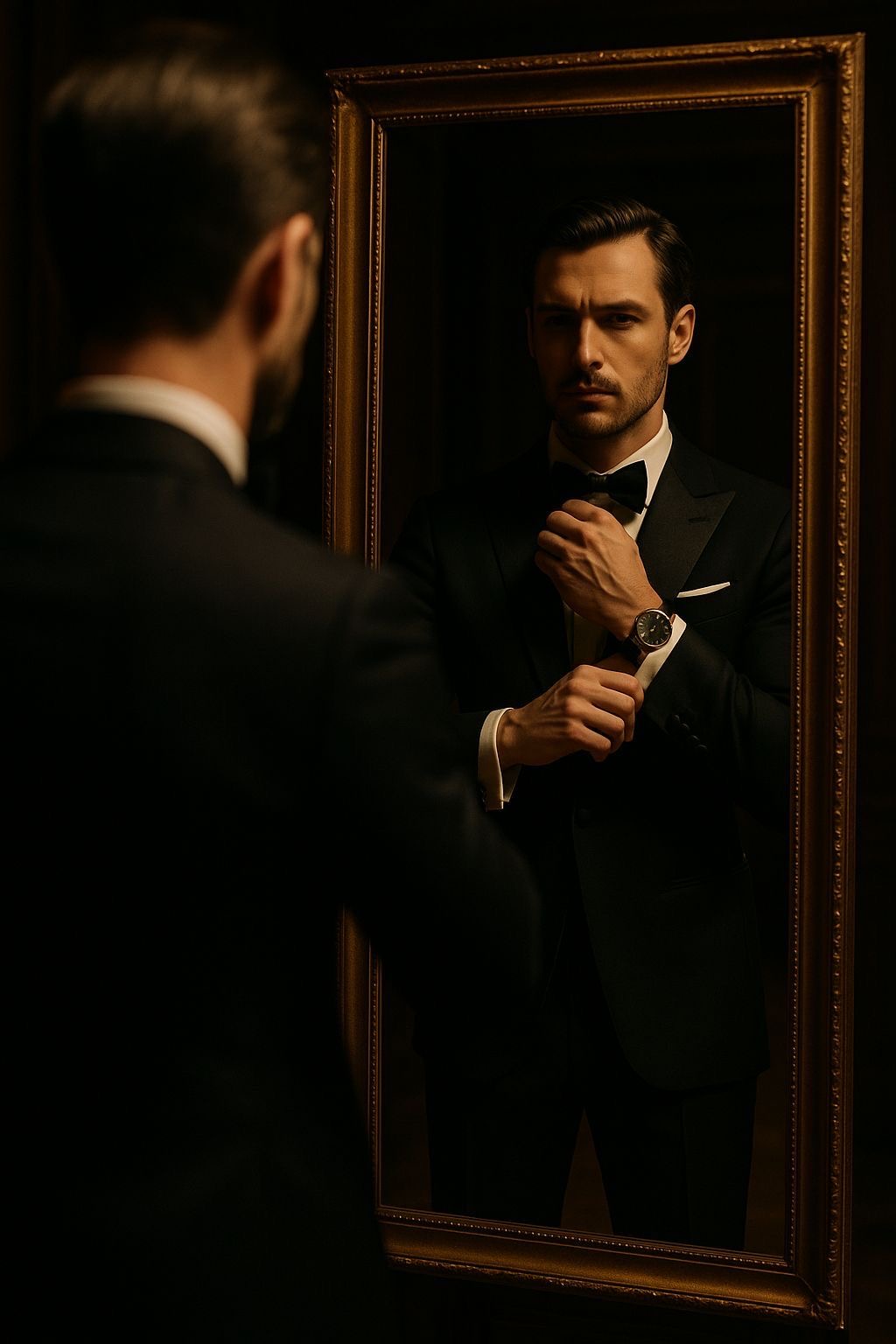
Your mood and appearance are strongly linked. When you feel low, you may neglect your grooming, wear dull clothes, or avoid looking in the mirror. This often worsens the cycle of negativity. On the other hand, even small improvements in appearance can shift your mindset.
Mirror Effect: When you see yourself looking good, your brain interprets it as a signal that things are under control. First Impressions on Yourself: It’s not just about how others see you, but how you perceive yourself. Mind-Body Feedback Loop: Your outward appearance influences your inner feelings, which in turn affects how you behave.
2. The Psychology Behind “Looking Good, Feeling Good”
The famous phrase “when you look good, you feel good” isn’t just a cliché—it’s rooted in science.
Enclothed Cognition: Studies show that wearing clothes associated with confidence or professionalism can improve performance and self-esteem. Color Psychology: Bright colors like yellow, red, and blue can stimulate positive emotions, while dull tones can drain energy. Self-Affirmation Theory: Grooming and dressing up act as self-affirmations, reminding you that you’re worthy of care. Dopamine Dressing: A growing trend where people wear clothes that spark joy, triggering dopamine release—the “feel-good” chemical.
3. The Benefits of Taking Care of Your Appearance When You Feel Low
3.1 Boosts Self-Confidence
Looking presentable helps you walk with more confidence, even if you don’t feel your best internally.
3.2 Improves Productivity
When you dress up—even for working from home—you’re likely to focus better and be more productive.
3.3 Elevates Mood Instantly
A fresh haircut, a clean shave, or wearing your favorite perfume can instantly change your emotional state.
3.4 Enhances Social Interactions
When you look good, people respond to you more positively, which can help break feelings of isolation.
3.5 Encourages Self-Love
Putting effort into your appearance is a reminder that you value yourself, even when life feels overwhelming.
4. Practical Ways to Use Appearance as a Mood-Booster
4.1 Grooming Rituals
Take a refreshing shower. Trim nails, shape eyebrows, or style your beard. Use skincare as a form of relaxation.
4.2 Dressing Up Intentionally
Wear colors that make you feel happy. Choose comfortable yet stylish clothes. Save a “power outfit” for days when you need a boost.
4.3 Accessorizing Smartly
Jewelry, watches, or scarves can instantly elevate your look. Sunglasses not only protect but also give you a confident vibe.
4.4 Hair Care
A new hairstyle or simply washing your hair can refresh your look and mood.
4.5 Fragrance Therapy
Scents are closely linked to memory and emotions. Spraying your favorite perfume can trigger happiness.
5. Appearance and Mental Health: A Deeper Look
When you’re feeling low due to stress, anxiety, or mild depression, appearance can be a grounding strategy. While it’s not a substitute for therapy or professional help, it does contribute to:
Emotional Regulation: Helps in stabilizing emotions. Identity Reinforcement: Reminds you of who you are beyond your struggles. Routine Building: Establishes a sense of normalcy during tough days.
6. Real-Life Examples
Example 1: The Work-from-Home Professional
During the pandemic, many people worked in pajamas. Later, when they started dressing properly for remote meetings, their productivity and mood increased drastically.
Example 2: Post-Breakup Recovery
Someone going through heartbreak often finds relief by getting a haircut, buying new clothes, or revamping their style. It becomes a symbolic act of moving forward.
Example 3: College Student Under Stress
A stressed student who decides to dress up for class often reports feeling more confident and socially engaged.
7. Small Daily Habits That Change Everything
Morning Routine: Start with skincare and neat clothes. Weekly Reset: Dedicate one day to grooming, wardrobe organization, or spa-like self-care. Mindful Dressing: Choose outfits based on how you want to feel, not just the occasion. Compliment Yourself: Look in the mirror and appreciate your effort.
8. Common Myths About Appearance and Mood
“It’s shallow to care about looks.” No, it’s about self-respect, not vanity. “You need expensive clothes to feel good.” Comfort, cleanliness, and personal style matter more than brands. “Looks don’t affect mood.” Science shows a strong link between grooming, clothing, and emotions.
9. How to Build a Personal Appearance Ritual
Start Small – A shower, combing your hair, and clean clothes are enough. Identify Mood Colors – Keep track of which colors make you feel good. Invest in Basics – Comfortable footwear, neat clothes, and grooming tools. Stay Consistent – Make it part of your daily routine.
10. Beyond Appearance: Inner and Outer Balance
While appearance helps, it should go hand-in-hand with:
Good sleep Healthy diet Exercise Mindfulness practices
When combined, these amplify the effect of looking good and feeling good.
Conclusion
When you feel low, taking care of your appearance may feel like the last thing you want to do—but it can be the first step toward lifting yourself up. The way you present yourself to the world directly impacts how you see yourself and how others interact with you. From simple grooming habits to mindful dressing, appearance can act as an instant mood-booster, a confidence builder, and a form of self-care.
So, next time you’re feeling down, don’t underestimate the power of a shower, a fresh outfit, or your favorite perfume. Remember, looking good is not vanity—it’s therapy.

Akshay Kapoor is a writer and digital creator focused on mental wellness, mindfulness, and personal growth. Through his platform Think Like a Modern Monk, he shares practical insights on managing stress, building mental resilience, and creating a balanced life in today’s fast-paced world.
His work explores topics such as psychology, emotional well-being, productivity, and the science of a healthy mind. Akshay aims to simplify complex ideas about mental health and self-development into actionable strategies that readers can apply in their daily lives.
When he’s not writing, he enjoys studying books on psychology, spirituality, and human behavior, and creating content that helps people cultivate inner peace while pursuing their ambitions.