
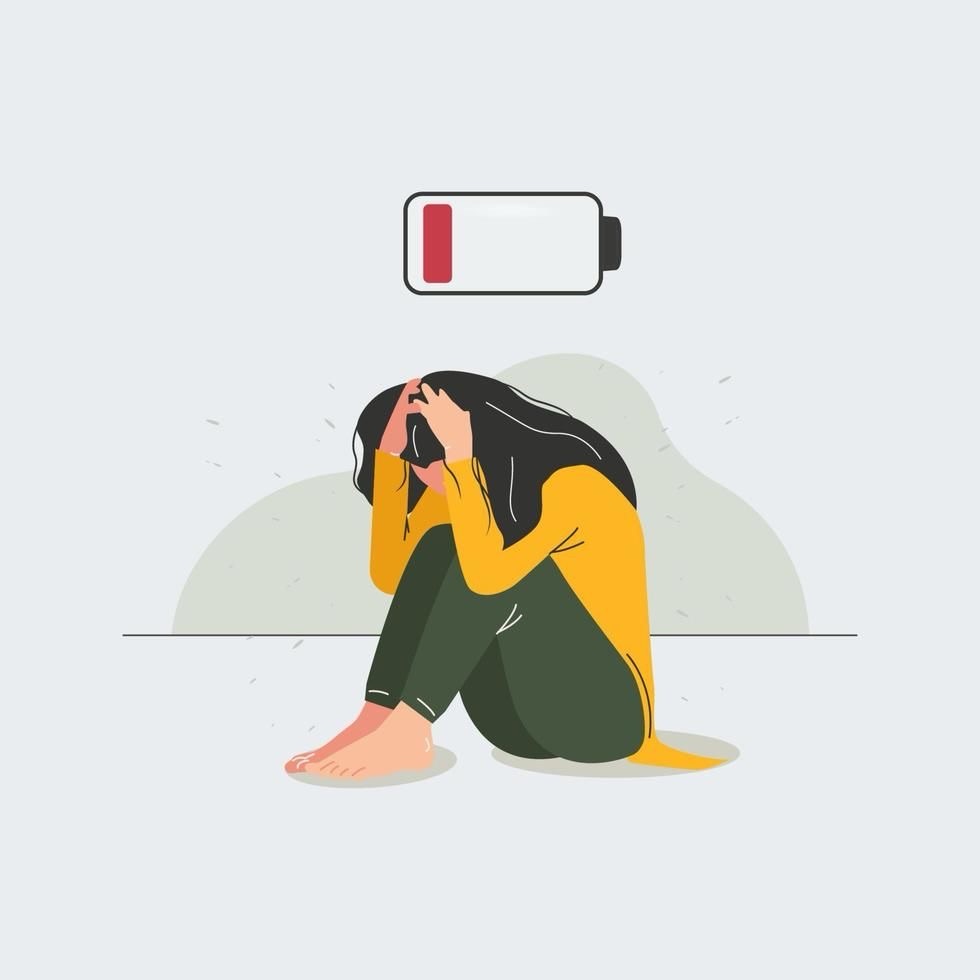
Mental Fatigue Explained
Have you ever slept for seven, eight, or even nine hours yet woken up feeling exhausted, unmotivated, and mentally drained?
Your body may be rested, but your mind feels heavy, foggy, and tired. You drag yourself through the day, struggling to focus, feeling irritable, and wondering:
“Why am I still tired when I slept well?”
This experience is far more common than people realize and the answer often lies not in your sleep duration, but in mental fatigue.
Mental fatigue is a silent energy drainer. It doesn’t always show up as physical weakness; instead, it affects your thoughts, emotions, concentration, and motivation. In today’s fast-paced, overstimulated world, mental exhaustion has become a modern epidemic.
This article explores why you feel tired even after a full night’s sleep, what mental fatigue really is, how it differs from physical tiredness, and most importantly how you can restore your mental energy.
Understanding the Difference: Physical Fatigue vs Mental Fatigue
Before diving deeper, it’s important to understand one key truth:
Sleep primarily restores the body but mental fatigue comes from how the brain is used, not just how long you sleep.
Physical Fatigue
Physical fatigue happens when your muscles and body are overworked. Causes include:
Intense physical labor Exercise without proper recovery Illness or injury
Physical fatigue usually improves significantly after rest or sleep.
Mental Fatigue
Mental fatigue, on the other hand, results from:
Prolonged thinking Emotional stress Decision overload Constant stimulation Worry and rumination
Even after adequate sleep, mental fatigue can persist because your brain never truly powered down.
What Is Mental Fatigue?
Mental fatigue is a state of cognitive and emotional exhaustion caused by prolonged mental effort or stress. It affects how your brain processes information, regulates emotions, and maintains attention.
You may experience mental fatigue as:
Brain fog Lack of motivation Emotional numbness Difficulty concentrating Feeling “tired inside the head” A sense of heaviness without physical exertion
Mental fatigue doesn’t mean you are weak or lazy it means your mind has been overloaded for too long without proper recovery.
Why Sleep Alone Is Not Enough
Sleep is essential, but it is not a magic reset button.
Many people sleep with:
An anxious mind Unresolved emotional stress Overstimulated nervous systems
Even while sleeping, the brain may remain partially active, processing worries, notifications, emotional memories, and mental loops.
This is why you can:
Sleep 8 hours Wake up tired Feel mentally exhausted all day
The quality of mental rest matters as much as the quantity of sleep.
Major Reasons You Feel Tired Even After a Full Night’s Sleep
1. Chronic Stress Keeps Your Nervous System Switched On
Stress is one of the biggest contributors to mental fatigue.
When you are stressed:
Cortisol (stress hormone) stays elevated Your nervous system remains in “fight or flight” The brain struggles to enter deep restorative states
Even during sleep, a stressed brain may remain alert, preventing true mental recovery.
Signs stress is draining you:
Racing thoughts at night Waking up feeling tense Jaw clenching or shallow breathing Feeling tired but wired
2. Overthinking and Mental Noise
Overthinking is exhausting.
If your mind constantly:
Replays conversations Worries about the future Analyzes past mistakes Mentally plans everything
Your brain never gets a break even while resting.
This continuous internal dialogue consumes enormous mental energy, leading to fatigue that sleep alone cannot fix.
3. Digital Overstimulation and Screen Fatigue
Modern life exposes your brain to:
Endless notifications Social media scrolling Bright screens before bedtime Information overload
This overstimulation:
Disrupts circadian rhythms Reduces deep sleep quality Keeps the brain in a reactive state
Even if you sleep long hours, your mind doesn’t feel refreshed because it never truly unplugged.
4. Emotional Suppression and Unprocessed Feelings
Emotions require energy especially when they are ignored or suppressed.
Unprocessed emotions such as:
Grief Anger Fear Disappointment Loneliness
Continue to operate beneath the surface, draining mental energy quietly but constantly.
Your brain works overtime trying to manage what you refuse to acknowledge consciously.
5. Decision Fatigue and Cognitive Overload
Every decision you make uses mental energy.
In today’s world, you constantly decide:
What to wear What to eat How to respond What content to consume How to manage work and relationships
This constant decision-making exhausts the brain, leading to:
Poor focus Irritability Mental tiredness even after sleep
6. Poor Sleep Quality Despite Long Sleep Duration
Sleeping for many hours does not guarantee restorative sleep.
Factors that reduce sleep quality:
Stress-induced light sleep Frequent micro-awakenings Late-night screen use Irregular sleep schedules Anxiety dreams
Your body rests, but your brain doesn’t fully reset.
7. Mental Multitasking and Attention Fragmentation
Multitasking forces your brain to constantly switch focus.
This:
Increases cognitive load Reduces efficiency Drains mental energy faster
By the end of the day, your mind feels exhausted even if your body didn’t do much.
8. Burnout and Emotional Exhaustion
Burnout is a deeper form of mental fatigue.
It occurs when:
Effort exceeds reward Stress is prolonged without relief You feel emotionally drained and detached
Burnout often shows up as:
Persistent tiredness Loss of interest Emotional numbness Feeling empty after sleep
9. Anxiety and Hypervigilance
Anxiety keeps your brain in constant alert mode.
Your mind scans for threats even imaginary ones leading to:
Restlessness Poor sleep depth Daytime fatigue
An anxious brain rarely feels rested, no matter how much you sleep.
10. Lack of Mental Recovery Time
We schedule everything except rest for the mind.
True mental recovery requires:
Stillness Boredom Reflection Emotional release
Without these, the brain remains in constant output mode never in recharge mode.
Signs You Are Experiencing Mental Fatigue
You may be mentally fatigued if you:
Wake up tired despite enough sleep Feel unmotivated without reason Struggle to concentrate Feel emotionally flat or irritable Experience brain fog Feel overwhelmed by small tasks Feel tired even after doing nothing
Mental fatigue is often misunderstood because it doesn’t look dramatic but it’s deeply impactful.
The Science Behind Mental Fatigue
Mental fatigue affects:
Neurotransmitter balance (dopamine, serotonin) Prefrontal cortex function Emotional regulation centers
Prolonged mental effort reduces cognitive efficiency, making the brain feel “slow” and heavy.
This is not a lack of willpower it’s a biological response to overload.
How to Recover from Mental Fatigue (Beyond Sleep)
1. Practice Mental Rest, Not Just Physical Rest
Mental rest includes:
Sitting quietly without stimulation Mindful breathing Letting thoughts pass without engagement
Even 10–15 minutes daily can restore mental clarity.
2. Reduce Cognitive Overload
Simplify your life:
Reduce unnecessary decisions Create routines Limit information intake
Your brain thrives on simplicity.
3. Digital Detox Before Sleep
Avoid screens at least 60 minutes before bedtime.
Instead:
Read Journal Stretch Listen to calming music
This helps the brain shift into recovery mode.
4. Process Emotions Honestly
Talk, write, or reflect on what you feel.
Unexpressed emotions consume mental energy. Expression releases it.
5. Single-Task with Presence
Focus on one task at a time.
This reduces mental fragmentation and preserves cognitive energy.
6. Create Psychological Safety
A calm nervous system restores mental energy faster.
You can create safety by:
Slow breathing Grounding techniques Self-compassion
7. Reconnect with Meaning
Mental fatigue often worsens when life feels purposeless.
Reconnect with:
Values Creativity Purpose Spiritual practices
Meaning energizes the mind.
When to Seek Professional Help
If mental fatigue persists for weeks or months and interferes with daily life, consider professional support.
Chronic mental exhaustion can be linked to:
Anxiety disorders Depression Burnout syndrome
Seeking help is a sign of strength, not weakness.
Final Thoughts: Your Mind Is Asking for Rest, Not More Sleep
If you feel tired even after a full night’s sleep, your body is not the problem your mind is overworked.
Mental fatigue is a message:
Slow down. Simplify. Breathe. Feel.
True rest is not only about closing your eyes it’s about giving your mind permission to stop carrying everything.
When you learn to rest your mind, sleep becomes restorative again and waking up no longer feels like a battle.

Akshay Kapoor is a writer and digital creator focused on mental wellness, mindfulness, and personal growth. Through his platform Think Like a Modern Monk, he shares practical insights on managing stress, building mental resilience, and creating a balanced life in today’s fast-paced world.
His work explores topics such as psychology, emotional well-being, productivity, and the science of a healthy mind. Akshay aims to simplify complex ideas about mental health and self-development into actionable strategies that readers can apply in their daily lives.
When he’s not writing, he enjoys studying books on psychology, spirituality, and human behavior, and creating content that helps people cultivate inner peace while pursuing their ambitions.