A Complete Step-by-Step Guide for Working Professionals
Introduction: Why Personal Branding Is No Longer Optional
Gone are the days when your job title alone defined your career. In today’s digital-first world, your personal brand is your real résumé.
Whether you are:
A corporate employee A startup professional A freelancer working full-time somewhere Or someone planning a future transition
Your personal brand speaks for you even when you’re silent.
Many people believe personal branding is only for entrepreneurs, influencers, or public speakers. That’s a myth. In reality, employees who build strong personal brands grow faster, earn more, and create more opportunities—without leaving their jobs.
This blog will teach you how to build a powerful personal brand while doing a job, without risking professionalism, violating company policies, or burning out.
Chapter 1: Understanding Personal Branding (In Simple Terms)
What Is a Personal Brand?
Your personal brand is how people perceive you when they hear your name.
It is:
Your skills Your values Your voice Your consistency Your reputation
In simple words:
Personal branding is managing your professional identity intentionally.
Whether you like it or not, you already have a personal brand. The only question is:
Are you building it consciously or letting it happen accidentally?
Chapter 2: Why You Should Build a Personal Brand While Employed
Many people wait for “the right time.” That time never comes.
Benefits of Building a Personal Brand While Doing a Job
Career Security Your brand becomes your safety net during layoffs or career shifts. Faster Promotions Managers trust visible, credible professionals more. Better Opportunities Recruiters approach you instead of you chasing them. Authority & Respect You become “the go-to person” in your domain. Future Freedom If you ever start a business or consultancy, your audience is already there.
Building a brand doesn’t mean quitting your job.
It means expanding your identity beyond your designation.
Chapter 3: The Biggest Myths About Personal Branding (That Hold You Back)
Myth 1: “I Don’t Have Time”
You don’t need hours daily.
30–45 minutes a day is enough if done consistently.
Myth 2: “My Company Will Not Like It”
Most companies support employees who:
Share knowledge Represent professionalism Don’t leak confidential information
Personal branding is about expertise, not ego.
Myth 3: “I’m Not an Expert”
You don’t need to be the best.
You just need to be one step ahead of someone else.
Chapter 4: Step 1 – Define Your Personal Brand Foundation
Before posting anything online, answer these questions honestly:
1. What Do You Want to Be Known For?
Choose ONE core area, such as:
Project management Mental wellness Content writing Marketing Finance Tech Leadership
Clarity beats versatility.
2. Who Is Your Target Audience?
Freshers? Working professionals? Entrepreneurs? Managers?
Your content tone depends on your audience.
3. What Are Your Core Values?
People connect with values more than skills.
Examples:
Honesty Growth mindset Simplicity Discipline Empathy
Chapter 5: Step 2 – Choose the Right Platforms (Don’t Be Everywhere)
You don’t need to be active on all platforms.
Best Platforms for Working Professionals
LinkedIn (Non-Negotiable)
Ideal for career growth Recruiter-friendly Authority building
Instagram (Optional but Powerful)
Great for storytelling Personal + professional blend Reels increase reach
Twitter (X)
Thought leadership Short insights Networking with experts
Personal Website (Long-Term Asset)
Your digital home Blogs, portfolio, services
👉 Rule: Master one platform first, then expand.
Chapter 6: Step 3 – Optimize Your Online Profiles
Your profile is your first impression.
LinkedIn Profile Optimization
Profile Photo: Clean, professional, confident Headline: Not your designation Example: ❌ “Project Manager at XYZ” ✅ “Helping teams deliver projects on time | Agile | Leadership” About Section: Tell your story, not your résumé. Experience: Highlight impact, not duties.
Chapter 7: Step 4 – Create Content Without Quitting Your Job
What Should You Post?
You don’t need viral dance videos.
Content Ideas for Employees:
Lessons from your job Mistakes you made Tools you use Career advice Industry trends Personal growth insights
Content Formula (Simple & Effective)
Experience + Lesson + Value
Example:
“Today I learned that meetings without agendas waste 40% time. Here’s how I fixed it…”
Chapter 8: How Often Should You Post?
Consistency > Frequency
Ideal schedule:
LinkedIn: 3–4 posts/week Instagram: 2–3 posts/week Blog: 2–4 blogs/month
Batch-create content on weekends to avoid weekday stress.
Chapter 9: Step 5 – Maintain Professional Boundaries
This is crucial when building a brand while employed.
What NOT to Do:
Share confidential company data Criticize your employer publicly Post emotional rants Discuss internal politics
What TO Do:
Speak in general terms Share learnings, not secrets Maintain respectful tone
Remember:
Your brand should increase trust, not create risk.
Chapter 10: Step 6 – Network Intentionally
Personal branding is not just posting—it’s connecting.
Smart Networking Tips:
Comment meaningfully on posts Appreciate others’ work Send personalized messages Avoid “Hi sir” cold DMs
Relationships build brands faster than content.
Chapter 11: Step 7 – Build Thought Leadership Gradually
Thought leadership doesn’t mean big words.
It means:
Having a clear point of view Sharing original insights Standing for something
Ask yourself:
“What do I believe that most people don’t talk about?”
That’s your voice.
Chapter 12: Step 8 – Balance Job, Brand, and Mental Health
Burnout kills creativity.
Practical Balance Tips:
Fixed branding time slots No pressure to go viral Take content breaks Prioritize sleep and health
A calm mind builds a powerful brand.
Chapter 13: Step 9 – Measure What Matters
Avoid vanity metrics.
Focus On:
Quality conversations Profile visits Opportunity messages Speaking invites Freelance offers
Impact > Likes.
Chapter 14: Common Mistakes to Avoid
Copying others blindly Inconsistent posting Over-polishing content Fear of judgment Giving up too early
Personal branding is a long-term game.
Chapter 15: Realistic Timeline of Results
0–3 months: Learning phase 3–6 months: Visibility 6–12 months: Authority 12+ months: Opportunities multiply
Patience is a branding skill.
Chapter 16: Can Introverts Build a Personal Brand?
Absolutely.
Introverts often:
Think deeply Write better Communicate thoughtfully
Personal branding is not about noise—it’s about clarity.
Chapter 17: Turning Your Brand into Income (Future Possibilities)
Without quitting your job, your brand can lead to:
Freelance work Consulting Speaking Courses Coaching Writing opportunities
Your job funds your brand.
Your brand secures your future.
Chapter 18: Personal Branding Ethics
Build a brand you can:
Defend Sustain Respect
Avoid shortcuts.
Authenticity always wins long-term.
Conclusion: Your Job Is Not Your Identity—Your Brand Is
Your job is what you do.
Your personal brand is who you are becoming.
You don’t need permission.
You don’t need perfection.
You don’t need fame.
You just need:
Clarity Consistency Courage
Start small. Start today.
Because five years from now, you’ll wish you had started now.
Final Thought
“Build a brand so strong that opportunities chase you—even while you’re busy doing your job.”
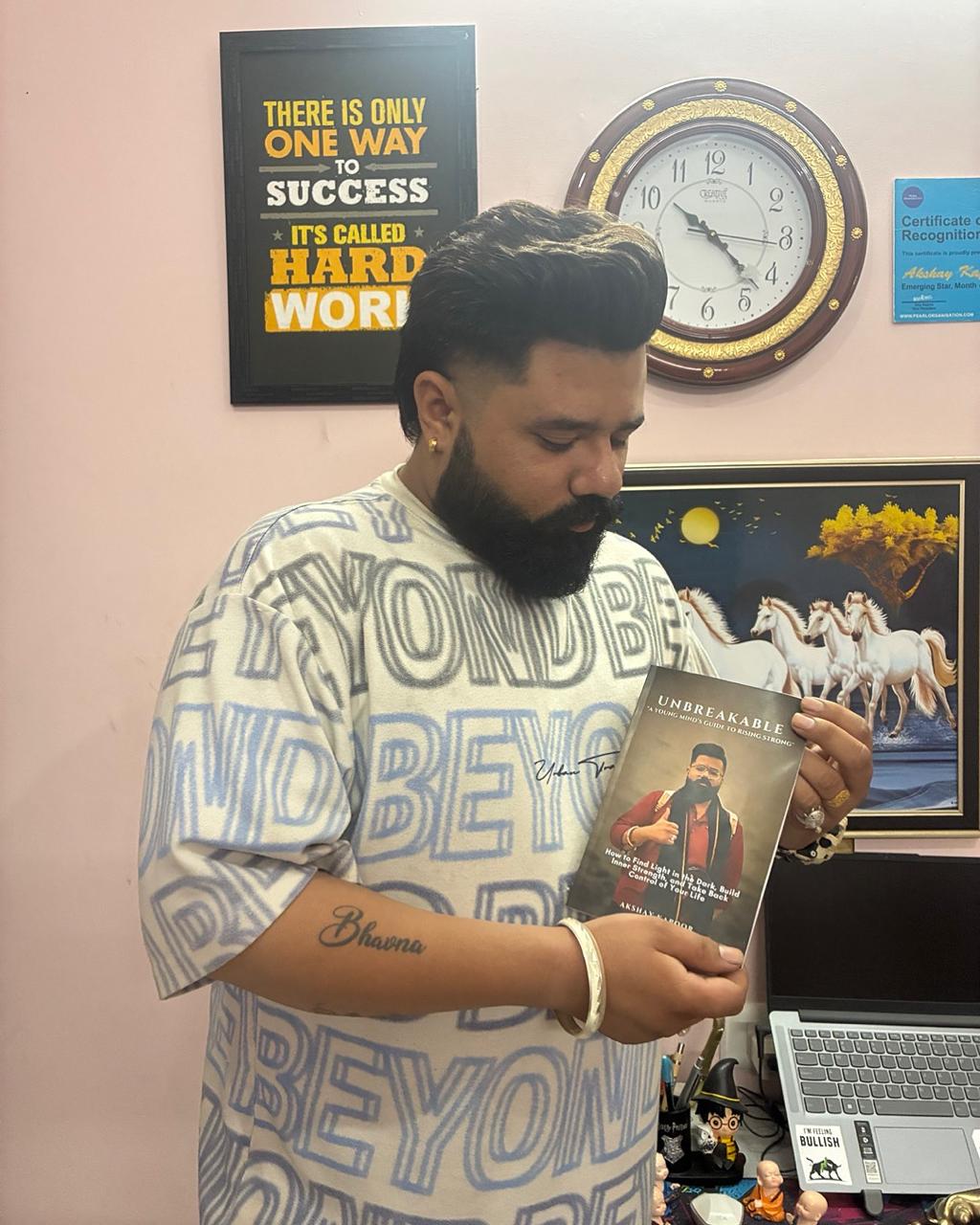
Akshay Kapoor is a writer and digital creator focused on mental wellness, mindfulness, and personal growth. Through his platform Think Like a Modern Monk, he shares practical insights on managing stress, building mental resilience, and creating a balanced life in today’s fast-paced world.
His work explores topics such as psychology, emotional well-being, productivity, and the science of a healthy mind. Akshay aims to simplify complex ideas about mental health and self-development into actionable strategies that readers can apply in their daily lives.
When he’s not writing, he enjoys studying books on psychology, spirituality, and human behavior, and creating content that helps people cultivate inner peace while pursuing their ambitions.