
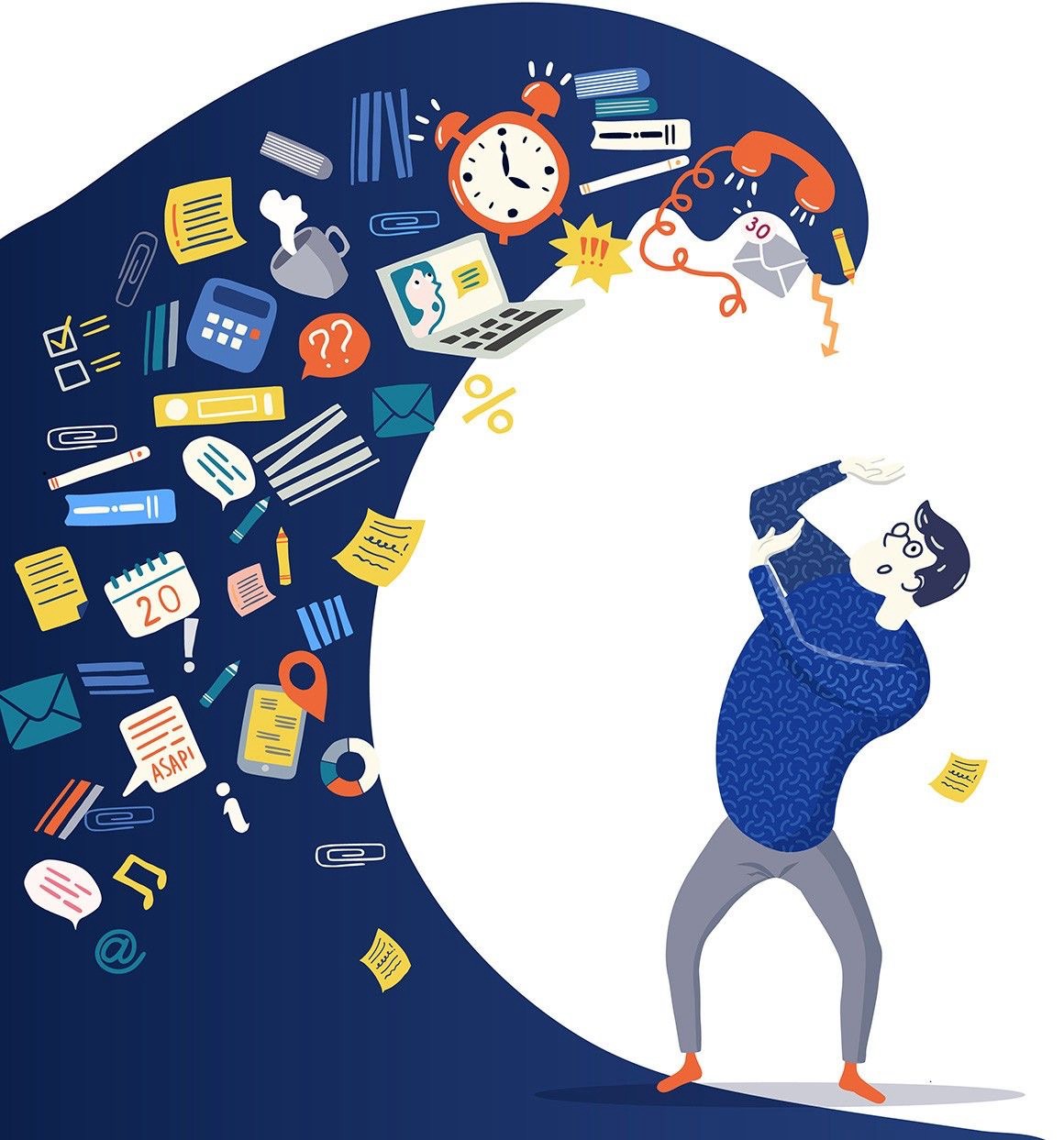
In today’s hyper-connected world, social media has become a part of our daily routine. From the moment we wake up to the last minutes before sleep, we scroll, like, comment, and consume endless content. While social media helps us stay connected, informed, and entertained, excessive use can quietly harm our mental health. This growing problem is often called digital overload — a state where constant online engagement overwhelms the mind and emotions.
This blog explores how social media affects mental health, why digital overload happens, and what you can do to protect your mind in the digital age.
What Is Digital Overload?
Digital overload happens when your brain receives more information than it can process comfortably. Social media platforms are designed to keep you engaged for as long as possible, showing you new content every second. This constant stimulation prevents your mind from resting.
When your brain does not get enough breaks, it can lead to:
Mental fatigue Difficulty focusing Increased stress Sleep problems Anxiety and overthinking
Over time, this overload can affect your emotional balance and overall well-being.
How Social Media Affects Mental Health
1. Comparison Culture and Low Self-Esteem
Social media often shows the best moments of people’s lives — success, travel, fitness, relationships, and achievements. When you see these highlights every day, you may start comparing your life with others.
This comparison can make you feel:
Not successful enough Not attractive enough Not happy enough Not doing enough in life
Constant comparison lowers self-confidence and creates feelings of dissatisfaction, even when your life is actually going well.
2. Dopamine Addiction and Endless Scrolling
Social media works on the brain’s reward system. Every like, comment, or notification releases dopamine, the chemical linked to pleasure and motivation.
Because of this, your brain starts craving more scrolling. You may open apps without even realizing it.
Signs of dopamine-driven social media addiction:
Checking phone again and again Feeling restless without internet Scrolling even when tired Difficulty staying offline
This cycle keeps the brain overstimulated and makes it harder to relax.
3. Anxiety and Fear of Missing Out (FOMO)
When you see others enjoying parties, trips, or success, you may feel like you are missing something important. This feeling is called FOMO (Fear of Missing Out).
FOMO can cause:
Anxiety Restlessness Pressure to always stay online Feeling left behind in life
Instead of enjoying your present moment, your mind keeps worrying about what others are doing.
4. Sleep Problems and Mental Exhaustion
Many people use social media late at night. The blue light from screens reduces melatonin, the hormone that helps you sleep.
Poor sleep leads to:
Irritability Low energy Mood swings Poor concentration Higher stress levels
When sleep is disturbed regularly, mental health suffers quickly.
5. Information Overload and Brain Fatigue
Every day, social media exposes you to:
News Opinions Arguments Reels and videos Ads Messages
Your brain tries to process everything, but too much information causes mental exhaustion.
You may feel tired even without doing physical work.
This is one of the biggest signs of digital overload.
Signs That Social Media Is Affecting Your Mental Health
You may be experiencing digital overload if you notice:
You feel anxious after using social media You compare yourself with others frequently You check your phone without reason You feel tired but cannot stop scrolling You have trouble sleeping You feel distracted all the time
Recognizing these signs is the first step to change.
How to Reduce Digital Overload
1. Set Time Limits for Social Media
Decide how much time you want to spend online each day.
Use screen-time trackers if needed.
Even reducing 30–40 minutes daily can improve mental clarity.
2. Take Digital Detox Breaks
Try staying offline for a few hours every day.
You can also take one full day per week without social media.
Your mind needs silence to recover.
3. Stop Comparing Your Life to Others
Remember:
Social media shows highlights, not reality.
Everyone struggles, but not everyone posts it.
Focus on your own growth instead of others’ success.
4. Avoid Social Media Before Sleep
Stop using your phone at least 30–60 minutes before bedtime.
Use that time for:
Reading Meditation Journaling Listening to calm music
Better sleep improves mental health faster than anything else.
5. Follow Content That Feels Positive
Unfollow accounts that make you feel insecure or stressed.
Follow pages that inspire, educate, or motivate you.
Your feed affects your mind more than you think.
Final Thoughts
Social media is not bad, but too much of it can overload your mind.
When your brain never gets a break, stress, anxiety, and low mood slowly increase.
Digital overload is one of the biggest mental health challenges of modern life, but the good news is that small changes can make a big difference.
Use social media as a tool — not as something that controls your mood, your confidence, or your peace of mind.
Your mental health needs quiet time, real connections, and moments away from the screen.

Akshay Kapoor is a writer and digital creator focused on mental wellness, mindfulness, and personal growth. Through his platform Think Like a Modern Monk, he shares practical insights on managing stress, building mental resilience, and creating a balanced life in today’s fast-paced world.
His work explores topics such as psychology, emotional well-being, productivity, and the science of a healthy mind. Akshay aims to simplify complex ideas about mental health and self-development into actionable strategies that readers can apply in their daily lives.
When he’s not writing, he enjoys studying books on psychology, spirituality, and human behavior, and creating content that helps people cultivate inner peace while pursuing their ambitions.