
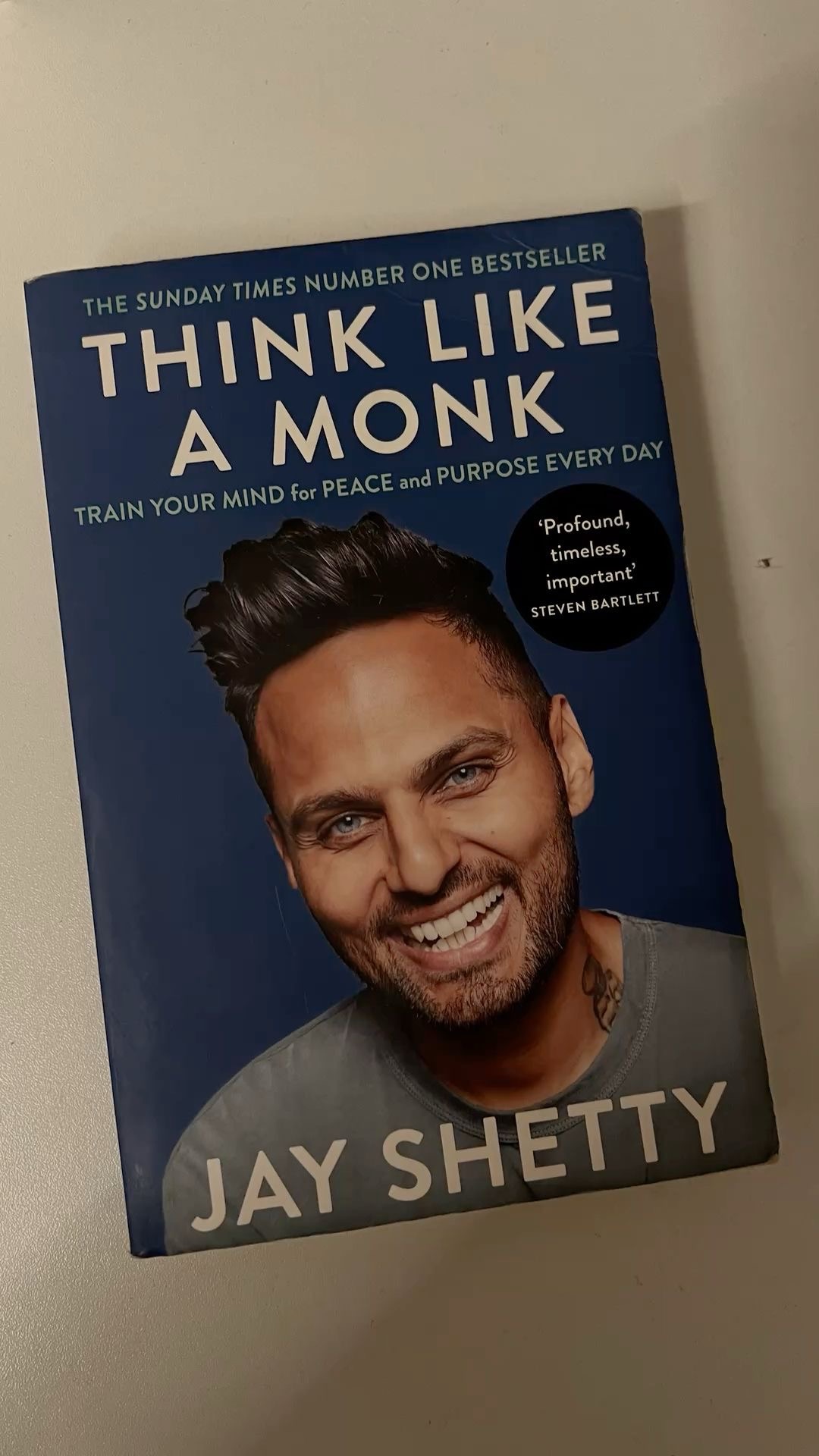
Introduction: Why We Need to Think Like a Monk
In today’s hyperconnected world, our minds are constantly distracted. Notifications buzz, expectations rise, comparisons multiply, and anxiety becomes a silent companion. Success is measured in followers, income, and validation. But deep down, many of us feel restless, confused, or disconnected from our true selves.
This is where Think Like a Monk enters the conversation.
Jay Shetty, a former monk turned motivational speaker and author, bridges ancient wisdom with modern life. After spending three years as a monk in India, he distilled timeless spiritual teachings into practical tools anyone can apply—whether you’re a student, entrepreneur, creative, or working professional.
The core message of the book is simple yet profound:
You don’t have to live like a monk to think like one.
This blog will explore the philosophy, psychology, and practical exercises from the book in depth—so you can transform your mindset, strengthen your mental health, and build a life of purpose.
Part 1: Identity – Understanding Who You Really Are
1. The Hidden Influences Shaping Your Mind
We often believe our thoughts are our own. But are they?
Jay Shetty introduces the concept that much of what we believe comes from:
Parents Teachers Society Media Peer groups
We absorb expectations unconsciously.
For example:
“Success means earning six figures.” “You must marry by a certain age.” “You need a prestigious career to be respected.”
Monks question everything. They ask:
Is this belief truly mine? Or did I inherit it?
Exercise:
Write down 10 beliefs you have about success, love, or happiness.
Then ask yourself: Where did this belief come from?
Awareness is the first step toward freedom.
2. Letting Go of External Validation
Social media has amplified comparison culture. We measure our worth by likes, promotions, and praise.
But monks focus inward.
Instead of asking:
“What do others think of me?”
They ask:
“What do I think of myself?”
True confidence is not loud. It is calm. It is rooted in self-knowledge.
When your identity depends on external approval, your happiness becomes unstable.
When your identity is rooted in purpose, it becomes unshakable.
Part 2: Negativity – Removing the Poison
3. The Three Poisons: Ego, Envy, and Fear
Jay Shetty explains that much of our suffering comes from three inner toxins:
1. Ego
Ego isn’t just arrogance. It is also insecurity. It constantly compares.
2. Envy
We suffer when others succeed because we feel behind.
3. Fear
Fear prevents action and growth.
Monks practice detachment—not indifference—but freedom from emotional chaos.
Reflection:
Where does ego show up in your life? Who do you envy? What fear is holding you back?
Naming these poisons weakens them.
4. Reframing Failure
Modern society fears failure. Monks embrace it as growth.
Failure teaches:
Patience Resilience Humility
Instead of asking:
“Why did this happen to me?”
Ask:
“What is this trying to teach me?”
Every setback becomes training for the soul.
Part 3: Purpose – Finding Your Dharma
5. Discovering Your Natural Strengths
Monks believe everyone has a unique path—often called “dharma.”
Your dharma lies at the intersection of:
Passion Skill Service
Jay Shetty suggests asking:
What comes naturally to me? What do people appreciate about me? What would I do even if I weren’t paid?
Purpose is not found overnight. It is uncovered through reflection and experimentation.
6. Service Over Status
The modern world teaches us to chase status.
Monks chase service.
When your goal shifts from:
“How can I impress others?”
to
“How can I help others?”
Your life gains meaning.
Service doesn’t require grand gestures.
It can begin with listening deeply, sharing knowledge, or supporting someone in need.
Purpose grows when you contribute.
Part 4: Routine – The Power of Daily Discipline
7. The Morning Routine of a Monk
Monks begin their day with intention.
Common practices include:
Meditation Gratitude Reading Reflection
Jay Shetty emphasizes designing a morning that feeds your mind before the world consumes it.
Instead of checking your phone first thing:
Sit in silence. Breathe. Set intentions.
How you start your day shapes your mindset.
8. Meditation: Training the Mind
Meditation is not about stopping thoughts.
It’s about observing them without judgment.
Benefits include:
Reduced stress Better focus Emotional balance Increased clarity
Start small:
5 minutes daily Focus on your breath When distracted, gently return
Consistency matters more than duration.
Part 5: Fear and Growth
9. Stepping Outside the Comfort Zone
Monks often leave comfort to grow spiritually.
Growth requires discomfort.
Ask yourself:
What conversation am I avoiding? What dream am I delaying? What risk am I afraid to take?
Courage is not absence of fear.
It is action despite fear.
10. Detachment from Outcomes
We suffer because we cling to outcomes.
We think:
“I must get this job.” “This relationship must work.” “This plan must succeed.”
Monks focus on effort, not results.
You control:
Your preparation Your attitude Your actions
You don’t control:
Others’ opinions Timing External circumstances
Freedom comes from doing your best and releasing attachment.
Part 6: Relationships – Love Without Ego
11. Conscious Relationships
Healthy love is not possession.
It is partnership.
Monks teach:
Listen deeply. Speak honestly. Forgive quickly.
Before entering a relationship, ask:
Am I emotionally ready? Am I seeking love or validation?
Self-awareness prevents emotional chaos.
12. Letting Go Gracefully
Not all relationships are meant to last.
Monks practice gratitude for the lesson rather than resentment for the ending.
Ask:
What did this person teach me? How did I grow?
Closure begins within.
Part 7: Giving – The Secret to Fulfillment
13. Generosity Expands the Heart
Happiness increases when we give.
Giving can be:
Time Attention Knowledge Money
When you shift from scarcity to abundance thinking, you stop fearing loss.
14. Gratitude as a Daily Practice
Gratitude rewires your brain.
Instead of focusing on what’s missing, you focus on what’s present.
Try this:
Write three things daily:
Something you learned Someone you appreciate Something simple that made you smile
Gratitude builds inner wealth.
Applying Monk Wisdom in Modern Life
You don’t need to renounce the world.
You can:
Build a career Earn money Fall in love Travel
But do it consciously.
A monk mindset means:
Responding instead of reacting Serving instead of competing Reflecting instead of rushing Growing instead of comparing
Deep Psychological Insights from the Book
Jay Shetty blends spiritual philosophy with modern psychology:
Cognitive reframing (changing perspective) Habit formation science Emotional regulation Self-awareness exercises
He simplifies complex wisdom into daily actions.
This makes the book practical—not just inspirational.
How This Book Connects to Mental Health
In a world of burnout and anxiety, monk principles offer:
Emotional clarity Reduced overthinking Stronger self-esteem Better decision-making
For anyone writing about mental wellness, this book aligns perfectly with topics like:
Digital detox Self-compassion Inner peace Purpose-driven living
It reminds us:
Mental peace is trained—not gifted.
Key Lessons in Summary
Question inherited beliefs. Let go of comparison. Replace ego with humility. Discover your purpose through service. Build a strong morning routine. Practice meditation consistently. Embrace discomfort for growth. Love consciously. Give generously. Practice gratitude daily.
Final Reflection: Becoming a Modern Monk
To think like a monk is not about shaving your head or moving to the mountains.
It’s about mastering your mind in the middle of chaos.
It’s about choosing peace over pride.
Purpose over popularity.
Growth over comfort.
The world may remain noisy.
But your mind can become silent.
And in that silence, you find clarity.
In that clarity, you find strength.
And in that strength, you build a life that is not just successful—
But meaningful.

Akshay Kapoor is a writer and digital creator focused on mental wellness, mindfulness, and personal growth. Through his platform Think Like a Modern Monk, he shares practical insights on managing stress, building mental resilience, and creating a balanced life in today’s fast-paced world.
His work explores topics such as psychology, emotional well-being, productivity, and the science of a healthy mind. Akshay aims to simplify complex ideas about mental health and self-development into actionable strategies that readers can apply in their daily lives.
When he’s not writing, he enjoys studying books on psychology, spirituality, and human behavior, and creating content that helps people cultivate inner peace while pursuing their ambitions.