
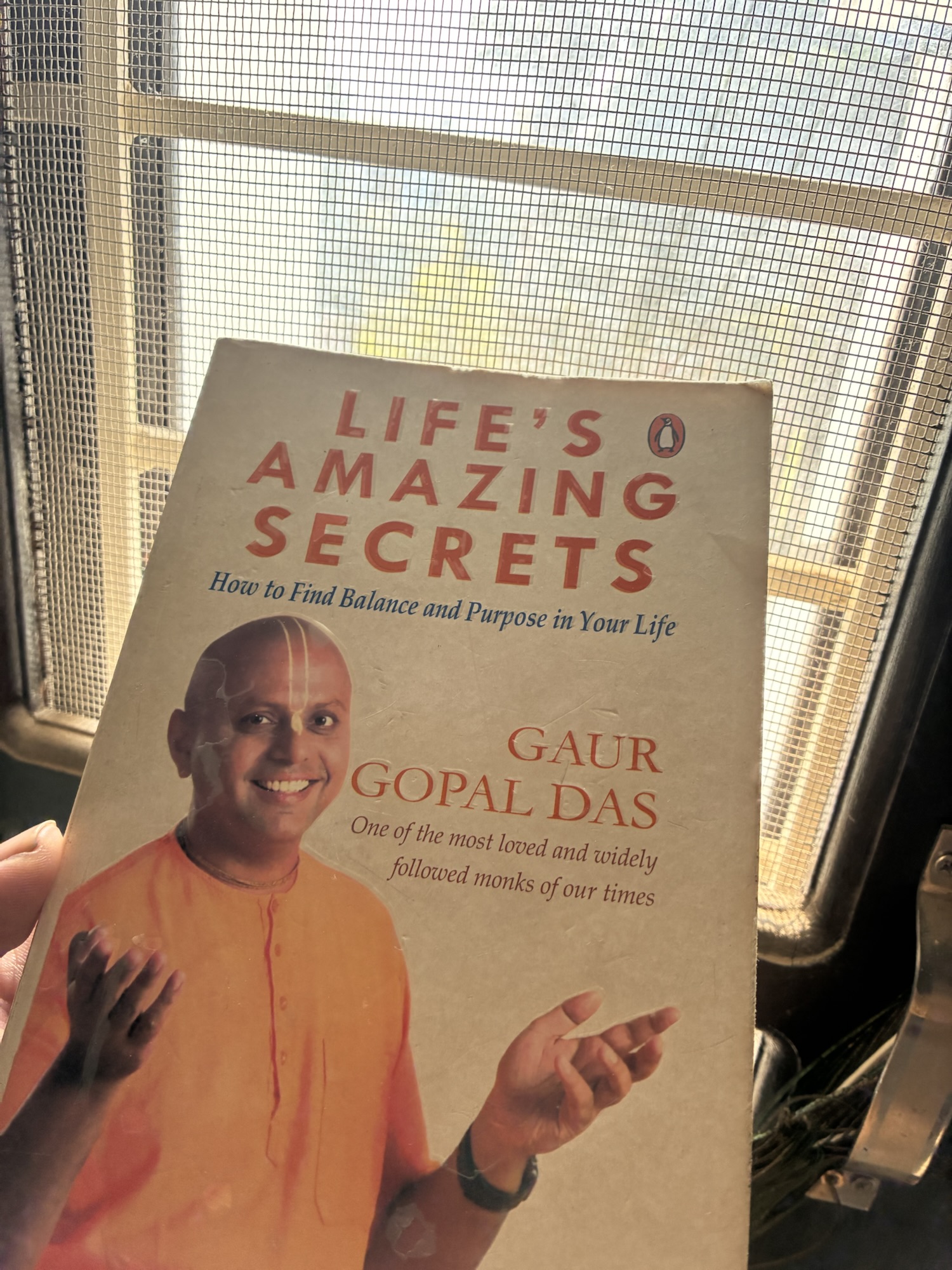
The book unfolds through a fictional yet relatable story — a conversation between the author (a monk) and a wealthy businessman named Harry on a long flight from Mumbai to London.
Harry represents the modern individual:
Successful but stressed Wealthy but restless Accomplished but disconnected
Through their dialogue, the monk explains life using simple metaphors and deep philosophical clarity.
The central idea?
Life is like a car. If you want a smooth journey, you must take care of the four wheels.
The Four Wheels of Life
According to the book, life has four essential dimensions:
Personal Life Relationships Work Life Social Contribution
If even one wheel is damaged, the journey becomes uncomfortable.
Let’s explore each in detail.
1. The Personal Wheel: Understanding Yourself
The first and most important dimension is the relationship with yourself.
In today’s world, people know their job profiles better than they know their own minds. We track calories, steps, followers, and profits — but rarely track our thoughts.
The Three Rooms of the Self
The author describes three inner spaces:
The Mind The Heart The Soul
We often overfeed the mind with information and undernourish the soul with reflection.
Mental Clutter and Emotional Baggage
Just like a cluttered room creates chaos, a cluttered mind creates anxiety. The book encourages:
Daily reflection Gratitude practice Emotional awareness Meditation
One powerful insight from the book is:
“We suffer more in imagination than in reality.”
Most of our anxiety comes from:
Overthinking Fear of future Regret of past
The key? Awareness.
2. Relationships: The Second Wheel of Balance
Success without meaningful relationships feels hollow.
The author emphasizes that relationships require:
Presence Patience Understanding Sacrifice
The Bank Account of Relationships
One of the most beautiful metaphors in the book is the “emotional bank account.”
Every kind word is a deposit.
Every harsh comment is a withdrawal.
If you keep withdrawing without depositing, the account eventually collapses.
Listening Is Love
The book highlights that many conflicts arise not because people don’t care — but because they don’t listen.
Listening means:
Not interrupting Not judging Not preparing your reply while the other person speaks
This section deeply resonates in today’s fast-paced, distracted world.
3. Work Life: Ambition with Purpose
The book does not criticize ambition. Instead, it teaches alignment.
The problem is not success — it is attachment.
Many people:
Chase promotion but ignore health Chase money but lose relationships Chase recognition but lose peace
The Monkey Trap Story
One powerful story shared in the book explains how monkeys are trapped by placing nuts inside a jar. The monkey grabs the nuts but cannot pull its fist out unless it lets go.
The trap?
Attachment.
Sometimes, we hold onto:
Ego Grudges Unrealistic expectations Toxic jobs
Letting go is freedom.
Work as Contribution
The author suggests shifting perspective:
Instead of asking, “What can I get?” ask, “What can I give?”
This small shift changes:
Motivation Satisfaction Impact
4. Social Contribution: Living Beyond Yourself
The final wheel is service.
True fulfillment comes when we contribute to others.
The book beautifully explains that:
Money gives comfort Fame gives recognition Service gives meaning
Contribution doesn’t always mean large donations. It can be:
Mentoring someone Supporting family Volunteering Helping a colleague
Living beyond yourself creates purpose.
The Art of Balance
Balance does not mean equal time to everything.
It means:
Giving appropriate attention to each wheel based on its condition.
For example:
If health is suffering, prioritize it. If relationships are weakening, invest time. If work is overwhelming, reassess priorities.
Balance is dynamic, not static.
Handling Failures and Setbacks
The book emphasizes perspective.
Failure is not identity — it is experience.
Instead of asking:
“Why is this happening to me?”
Ask:
“What is this teaching me?”
This shift transforms pain into growth.
The Power of Gratitude
Gratitude is a recurring theme in the book.
Gratitude:
Reduces anxiety Increases happiness Strengthens relationships Improves mental health
A simple daily gratitude journal can change emotional patterns.
Ego vs. Humility
The author gently explains how ego destroys relationships and peace.
Ego says:
“I am right.”
Humility says:
“I may be wrong.”
Ego wants victory.
Humility wants harmony.
In family life, professional life, and friendships — humility sustains long-term peace.
Detachment vs. Indifference
A crucial spiritual concept explained in the book is detachment.
Detachment does not mean:
Not caring Being cold Avoiding responsibility
Detachment means:
Doing your best without being emotionally destroyed by outcomes.
It is the art of involvement without entanglement.
Spirituality in Modern Life
The beauty of the book lies in its practicality.
It does not demand:
Renouncing the world Leaving career Living in a monastery
Instead, it teaches:
Inner discipline Self-awareness Balanced ambition Conscious living
Spirituality becomes a daily practice — not a ritual.
Key Takeaways from Life’s Amazing Secrets
Here are the most powerful lessons condensed:
Life must be balanced across four dimensions. Emotional intelligence is more important than IQ. Letting go is often the key to freedom. Relationships need deposits. Success without peace is failure. Service brings fulfillment. Gratitude rewires the brain for happiness. Ego destroys what love builds. Perspective changes pain into wisdom. True wealth is inner stability.
Why This Book Matters Today
In an era of:
Burnout Comparison culture Social media pressure Material obsession
This book acts as a grounding force.
It reminds us:
You can chase dreams without losing yourself.
For someone like you — who writes about mental health, spirituality, and inner growth — this book aligns beautifully with themes like:
Emotional resilience Purpose-driven living Inner peace in modern chaos
It can inspire not just a blog but an entire content series.
Writing Style & Accessibility
One reason the book is widely loved is its simplicity.
It uses:
Stories Humor Real-life examples Practical exercises
There is no heavy jargon. Even complex spiritual ideas are explained through relatable metaphors.
Criticism & Honest Reflection
No book is perfect.
Some readers may feel:
The advice is simple or basic Stories are idealistic Spiritual themes may not resonate with everyone
However, simplicity is its strength.
Sometimes, we don’t need complicated philosophy.
We need reminders.
Who Should Read This Book?
This book is ideal for:
Young professionals Entrepreneurs Students People facing burnout Anyone seeking clarity and purpose
It is especially powerful for those who feel:
“I have everything, but something is missing.”
Final Reflection: What Is the Secret?
The title promises “Life’s Amazing Secrets.”
But what is the real secret?
The secret is balance.
The secret is perspective.
The secret is contribution.
The secret is self-awareness.
And above all — the secret is intentional living.
Life does not become amazing by accident.
It becomes amazing by awareness.
Conclusion
Life’s Amazing Secrets by Gaur Gopal Das is more than a self-help book. It is a gentle mentor in written form.
It does not shout motivational slogans.
It whispers wisdom.
In a noisy world, that whisper is powerful.
If you are someone exploring mental wellness, spiritual clarity, or purposeful living, this book offers a practical roadmap.
And maybe, just maybe, the next time life feels overwhelming, you’ll remember the four wheels — and check which one needs your attention.
Because balance is not luxury.
It is survival.
And ultimately — it is peace.
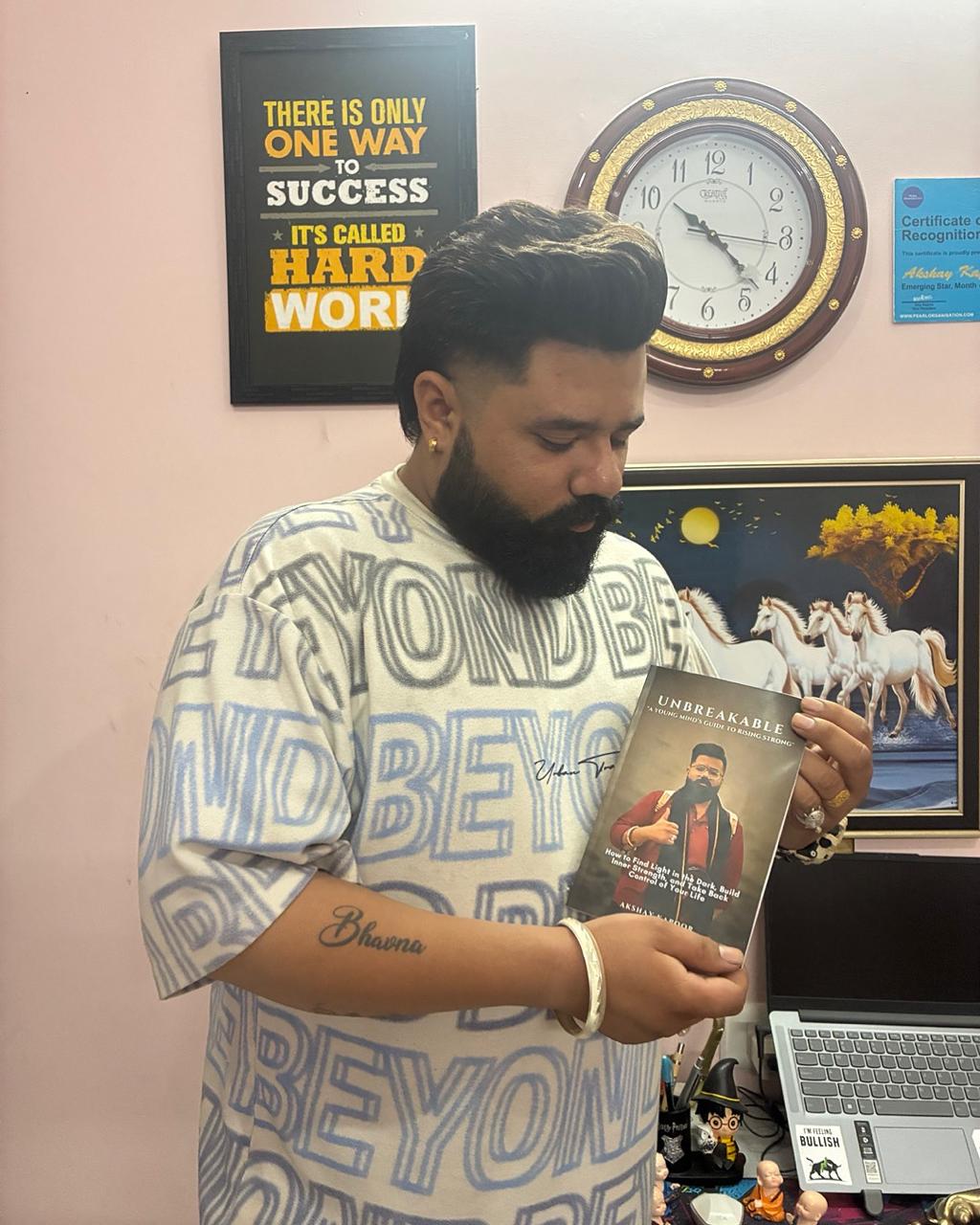
Akshay Kapoor is a writer and digital creator focused on mental wellness, mindfulness, and personal growth. Through his platform Think Like a Modern Monk, he shares practical insights on managing stress, building mental resilience, and creating a balanced life in today’s fast-paced world.
His work explores topics such as psychology, emotional well-being, productivity, and the science of a healthy mind. Akshay aims to simplify complex ideas about mental health and self-development into actionable strategies that readers can apply in their daily lives.
When he’s not writing, he enjoys studying books on psychology, spirituality, and human behavior, and creating content that helps people cultivate inner peace while pursuing their ambitions.