
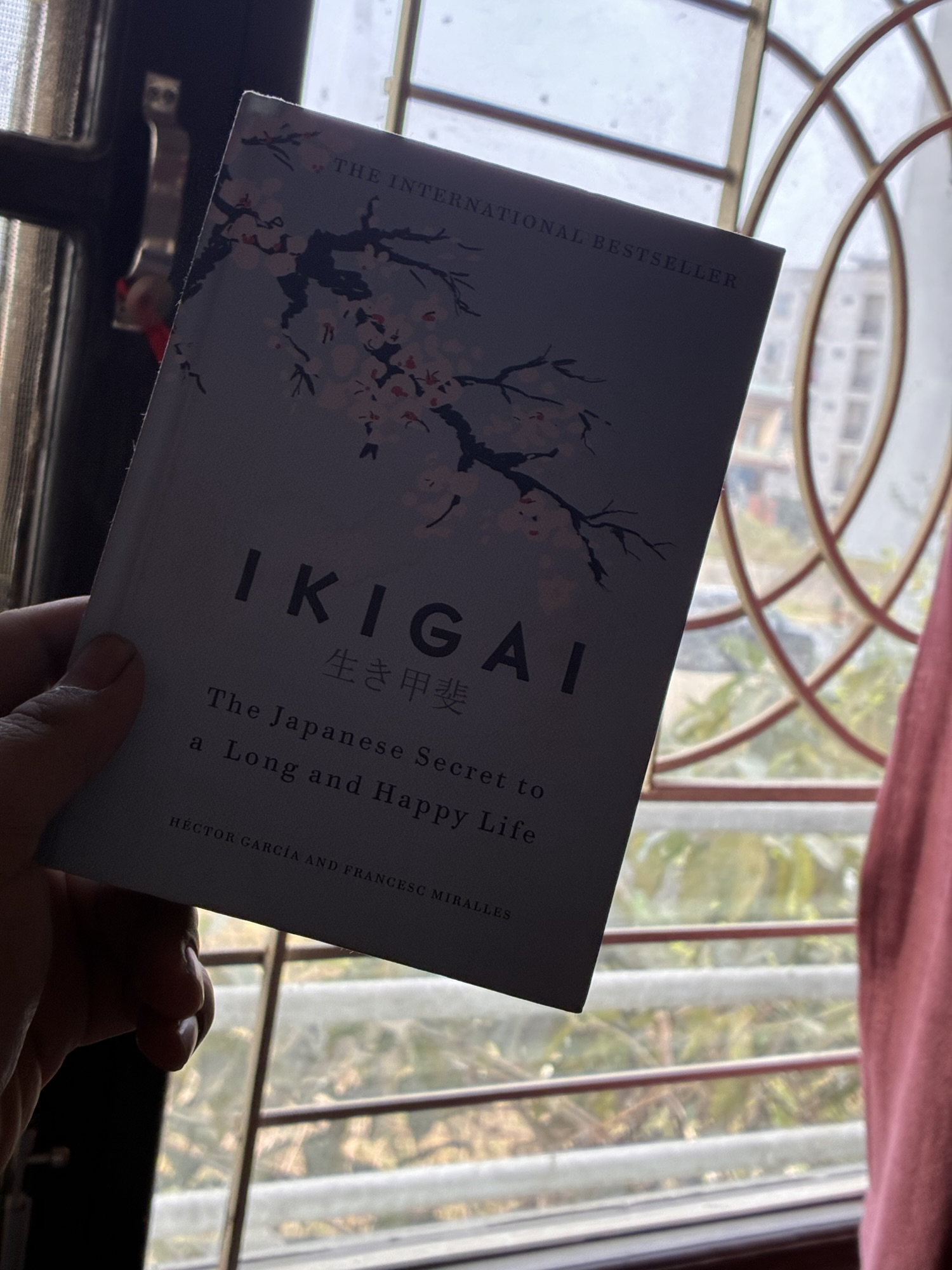
In a world obsessed with speed, productivity, and endless achievement, the idea of slowing down to discover purpose feels almost revolutionary. Yet, in a small village in Japan, people have been quietly living longer, happier lives by doing exactly that. The book Ikigai: The Japanese Secret to a Long and Happy Life by Héctor García and Francesc Miralles explores this philosophy and invites readers to rethink success, happiness, and fulfillment.
This book is more than just a self-help guide—it is a journey into the heart of Japanese culture, psychology, lifestyle habits, and human purpose. Let’s dive deeply into the wisdom of Ikigai and explore how it can transform your life.
What Is Ikigai?
The word Ikigai (生き甲斐) roughly translates to “a reason for being.” It is the reason you wake up in the morning. It is the spark that gives meaning to your daily life.
Unlike Western concepts of success that often revolve around wealth, fame, or status, Ikigai focuses on joy, contribution, and inner fulfillment. It blends passion, mission, vocation, and profession into one harmonious existence.
According to the authors, Ikigai lies at the intersection of:
What you love What you are good at What the world needs What you can be paid for
But the deeper meaning of Ikigai is not just about career alignment—it is about living with intention.
The Secret of Okinawa: The Land of Centenarians
One of the central themes of the book revolves around Okinawa, Japan—a place known for having one of the highest populations of centenarians in the world.
The authors traveled to the village of Ogimi in Okinawa to interview elderly residents. What they discovered was remarkable:
People over 90 still actively working in their gardens A strong sense of community Healthy, simple diets Daily movement Positive outlook on life A deep sense of purpose
These elders didn’t retire from life. They continued doing what they loved, whether farming, crafting, teaching, or serving their community.
Their Ikigai kept them alive—mentally, physically, and emotionally.
Purpose and Longevity: The Science Behind Ikigai
The book doesn’t rely only on cultural observation; it also references research.
Studies show that people with a strong sense of purpose:
Have lower stress levels Experience fewer chronic diseases Live longer Recover faster from illness Show greater resilience
Having a reason to wake up each morning reduces cortisol (stress hormone), improves heart health, and keeps the mind sharp.
Ikigai isn’t mystical—it’s biological.
Never Retire from Life
One of the most powerful lessons in the book is that many Okinawan elders never truly “retire.”
In Western societies, retirement is often seen as the ultimate goal. Work hard for 40 years, then stop.
But the book challenges this idea. When people stop engaging with meaningful activities, they often experience:
Loss of identity Depression Rapid health decline
In Okinawa, elders continue contributing in ways that match their energy levels. They may work less intensely, but they remain active and purposeful.
The message is clear: Don’t retire from what gives you meaning.
Flow: The State of Ultimate Engagement
The book also discusses the concept of “flow,” introduced by psychologist Mihaly Csikszentmihalyi.
Flow is the state in which:
Time disappears You feel deeply engaged You are challenged but not overwhelmed You experience joy in the process
Artists, writers, athletes, and even gardeners can enter this state.
Your Ikigai often lives in your flow state.
When you’re fully immersed in something you love and are good at, that’s a clue. Pay attention to those moments—they reveal your purpose.
The Power of Community: Moai
In Okinawa, people belong to small support groups called moai. These groups:
Meet regularly Share food and stories Offer emotional and financial support Encourage social connection
Loneliness is one of the biggest modern epidemics. But in Okinawa, social bonds are strong.
Research shows that strong social ties:
Reduce depression Lower the risk of dementia Improve immune function Increase lifespan
Ikigai isn’t found alone—it often thrives in community.
Hara Hachi Bu: Eat Until You’re 80% Full
Another powerful principle discussed is Hara Hachi Bu—the practice of eating until you are 80% full.
This simple habit:
Prevents overeating Reduces calorie intake naturally Supports longevity Maintains healthy weight
Okinawan diets are rich in:
Vegetables Tofu Seaweed Sweet potatoes Green tea
They consume less sugar and processed foods compared to Western diets.
Longevity isn’t complicated—it’s consistent simplicity.
Stay Active—But Gently
You won’t find intense gym culture in Okinawa. Instead, daily movement is natural:
Walking Gardening Tai chi Household chores
The key lesson? Don’t be sedentary.
The body is designed to move. Small, consistent movements over decades make a huge difference.
Resilience and Emotional Strength
Ikigai also reflects emotional resilience. The elders interviewed showed:
Acceptance of life’s challenges Gratitude for small things Calm response to stress Focus on what they can control
Instead of chasing happiness, they cultivate inner peace.
This mindset reduces anxiety and strengthens mental health.
Finding Your Ikigai
The book offers guidance for discovering your own Ikigai:
Reflect on activities that make you lose track of time. Identify what you loved doing as a child. Notice what others often compliment you on. Explore how your skills can serve others. Take small steps toward alignment.
Ikigai is not found overnight—it is uncovered through exploration.
Passion vs. Purpose
The book makes an important distinction:
Passion is what excites you. Purpose is what sustains you.
Passion can be intense but temporary. Purpose is steady and enduring.
Your Ikigai blends both.
Anti-Aging Through Purpose
One fascinating insight is how purpose influences aging.
When people feel needed:
They stay mentally sharp. They maintain curiosity. They remain socially active.
Mental engagement keeps neurons firing. The brain thrives on stimulation.
Ikigai protects against cognitive decline.
Minimalism and Simplicity
The Okinawan lifestyle emphasizes:
Simplicity Gratitude Living in the present
There is no obsession with luxury or accumulation.
Happiness is found in:
Morning sunlight Shared meals Meaningful work Nature
This simplicity reduces stress and comparison.
Work as Joy, Not Burden
In many cultures, work is something to escape.
But in Ikigai philosophy, work can be:
Creative expression Contribution Growth
When aligned with purpose, work energizes rather than drains.
The key is alignment—not just survival.
The Role of Mindfulness
Ikigai connects deeply with mindfulness.
Being present:
Enhances appreciation Improves relationships Reduces anxiety Strengthens focus
Purpose without presence becomes stress. Presence without purpose becomes drift.
Balance creates harmony.
Lessons for Modern Life
In today’s fast-paced digital world, the lessons from Ikigai are more relevant than ever:
Slow down. Build strong relationships. Eat simply. Move daily. Stay curious. Contribute meaningfully.
You don’t need to move to Okinawa to live long and happy.
You need clarity and consistency.
Common Misconceptions About Ikigai
Many believe Ikigai must be grand or world-changing.
But the elders in the book show otherwise.
Your Ikigai can be:
Teaching children Growing vegetables Writing daily Helping customers Caring for family
It doesn’t need to be famous—it needs to be meaningful.
Small Joys Matter
One beautiful theme in the book is appreciation for small pleasures:
A cup of tea Morning breeze A friendly conversation Completing a small task
Happiness is cumulative.
Small joys, repeated daily, build a fulfilling life.
Building an Ikigai Lifestyle
To integrate Ikigai into your life:
1. Start Your Morning with Intention
Ask yourself: Why am I waking up today?
2. Focus on Contribution
How can I add value?
3. Reduce Distractions
Simplify your commitments.
4. Prioritize Health
Eat mindfully and move daily.
5. Strengthen Relationships
Invest in meaningful connections.
6. Practice Gratitude
Notice what’s already good.
The Psychological Depth of Ikigai
From a psychological perspective, Ikigai combines:
Intrinsic motivation Self-determination Meaning-making Flow states Social bonding
It aligns closely with positive psychology principles.
Human beings are wired for meaning—not just pleasure.
Ikigai and Career Alignment
If you’re confused about career direction, Ikigai offers a framework:
What skills do you naturally excel in? What problems do you care about solving? What kind of lifestyle do you want?
Instead of chasing trends, design alignment.
Your career should support your purpose—not replace it.
The Quiet Power of Consistency
One underlying lesson in the book is consistency over intensity.
Longevity is not built through:
Extreme diets Sudden life overhauls Dramatic changes
It is built through:
Daily habits Moderate routines Steady engagement
Consistency compounds.
Emotional Calm and Stress Reduction
Chronic stress shortens life.
Okinawans practice:
Acceptance Social sharing Light-hearted humor Slow living
Their stress levels remain low because expectations are realistic and community support is strong.
Why This Book Matters Today
Modern society suffers from:
Burnout Loneliness Anxiety Lack of meaning
Ikigai offers a remedy—not through quick fixes, but through lifestyle philosophy.
It reminds us that:
Happiness is not a destination. Purpose is not external validation. Longevity is linked to engagement.
Final Reflection: Living Your Own Ikigai
At its heart, this book asks a simple but profound question:
Why do you wake up in the morning?
If you don’t know yet—that’s okay.
Ikigai is not found by rushing. It is discovered by listening.
Listen to what energizes you.
Listen to what fulfills you.
Listen to what you can offer the world.
Your Ikigai might not look like anyone else’s—and that’s the beauty of it.
A long and happy life isn’t built on grand achievements alone. It is built on purpose, community, simplicity, health, and steady joy.
The elders of Okinawa teach us that aging is not something to fear—it is something to embrace when life is meaningful.
Perhaps the true secret of Ikigai is this:
Live each day as if it matters—because it does.

Akshay Kapoor is a writer and digital creator focused on mental wellness, mindfulness, and personal growth. Through his platform Think Like a Modern Monk, he shares practical insights on managing stress, building mental resilience, and creating a balanced life in today’s fast-paced world.
His work explores topics such as psychology, emotional well-being, productivity, and the science of a healthy mind. Akshay aims to simplify complex ideas about mental health and self-development into actionable strategies that readers can apply in their daily lives.
When he’s not writing, he enjoys studying books on psychology, spirituality, and human behavior, and creating content that helps people cultivate inner peace while pursuing their ambitions.