
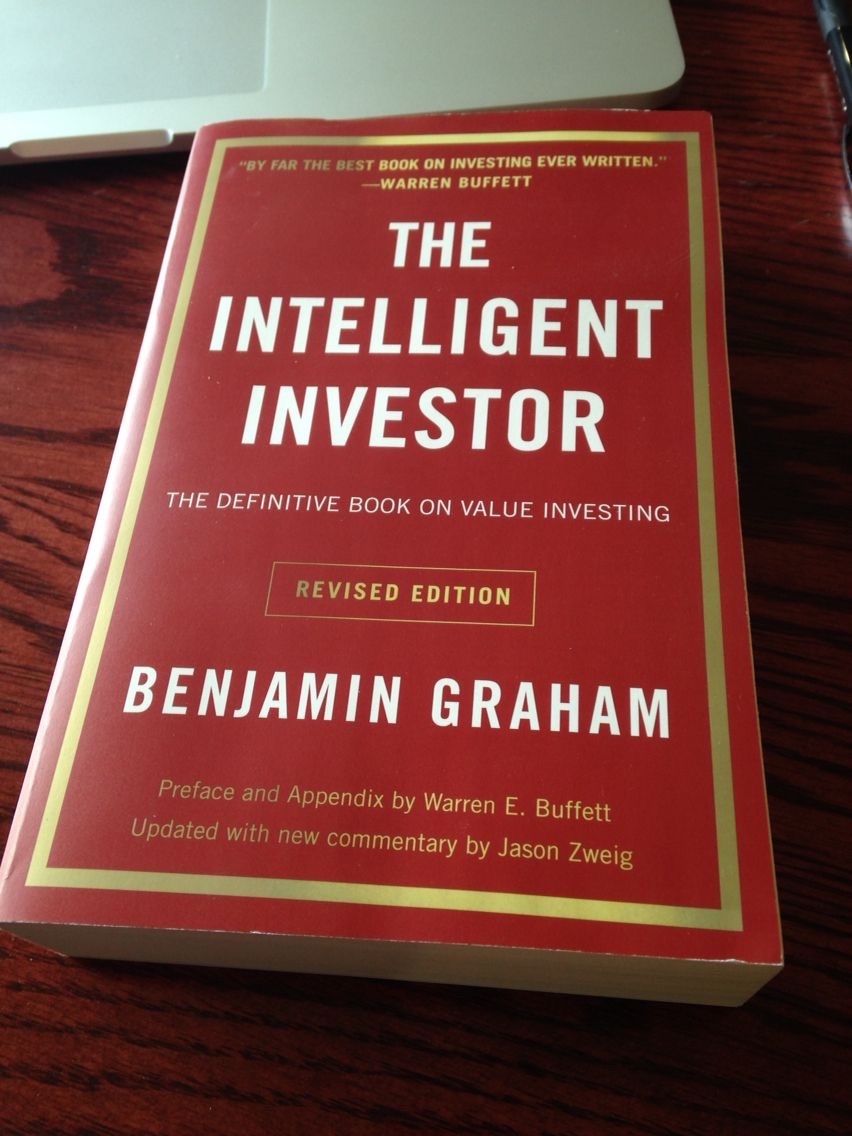
Investing in the stock market can feel confusing, emotional, and unpredictable. Prices go up and down daily, news headlines create panic, and many investors end up making decisions based on fear or excitement rather than logic. This is exactly why The Intelligent Investor by Benjamin Graham remains one of the most respected books on investing even decades after its publication.
Often called the “Bible of Value Investing,” the book teaches investors how to build long-term wealth while avoiding unnecessary risks. The principles introduced by Graham have influenced legendary investors like Warren Buffett, who famously called it the best book on investing ever written.
Understanding the Core Philosophy
At the heart of The Intelligent Investor is a simple but powerful philosophy:
Investing should be based on discipline, patience, and analysis—not speculation.
Graham believed that successful investors are not those who predict market movements, but those who understand the value of businesses and invest with a long-term perspective.
Instead of chasing quick profits, the book emphasizes protecting your capital and growing it steadily over time.
Investor vs. Speculator
One of the most important distinctions Graham makes is between an investor and a speculator.
Investors focus on the intrinsic value of a company and invest with a long-term mindset. Speculators try to profit from short-term price movements and market trends.
Many people in the stock market unknowingly behave like speculators. They buy stocks because others are buying them, or because of hype on social media.
Graham advises investors to stay rational and focus on fundamentals rather than market noise.
The Concept of “Mr. Market”
One of the most famous ideas in the book is the metaphor of “Mr. Market.”
Mr. Market represents the stock market itself. Every day he offers you a price at which you can buy or sell shares. Sometimes he is optimistic and offers very high prices. Other times he is pessimistic and offers very low prices.
The key lesson:
You should not let Mr. Market control your emotions. Instead, use his mood swings to your advantage.
When the market is fearful, opportunities appear. When the market is overly excited, risks increase.
Margin of Safety
Another fundamental principle discussed in the book is the margin of safety.
This means buying stocks at a price significantly lower than their true value. Doing so protects investors from errors in analysis or unexpected market changes.
For example, if a company’s intrinsic value is estimated at ₹100, buying it at ₹60–₹70 provides a margin of safety.
This concept helps investors minimize losses while maximizing long-term returns.
Defensive vs. Enterprising Investors
Graham also categorizes investors into two types:
Defensive Investor
A defensive investor prefers a simple and low-risk strategy. They focus on diversification and stable companies.
Typical strategies include:
Investing in index funds Holding large, financially stable companies Maintaining a balanced portfolio of stocks and bonds
Enterprising Investor
An enterprising investor is willing to spend more time researching companies and identifying undervalued stocks.
This approach requires deeper analysis but may offer higher returns if done correctly.
Emotional Discipline in Investing
One of the biggest reasons investors fail is emotional decision-making.
Fear leads people to sell during market crashes, while greed pushes them to buy during market bubbles.
Graham emphasizes that emotional control is more important than intelligence in investing.
A calm and disciplined mindset allows investors to make rational decisions even during market volatility.
Why This Book Still Matters Today
Even though The Intelligent Investor was written many decades ago, its lessons remain extremely relevant today.
Modern markets may have algorithms, high-frequency trading, and social media hype, but human psychology has not changed.
Investors still face the same challenges:
Market volatility Fear and greed Short-term speculation
The principles of value investing, patience, and discipline continue to guide successful investors around the world.
Key Takeaways from The Intelligent Investor
Invest with a long-term mindset. Focus on the intrinsic value of companies. Use the margin of safety to reduce risk. Ignore market noise and emotional decisions. Treat market volatility as an opportunity, not a threat.
Final Thoughts
The Intelligent Investor is not just a book about money—it is a guide to thinking rationally in an emotional market.
By following the timeless principles of Benjamin Graham, investors can protect themselves from common mistakes and build wealth steadily over time.
In a world obsessed with quick profits and short-term gains, the wisdom of The Intelligent Investor reminds us that true investing success comes from patience, discipline, and thoughtful decision-making.

Akshay Kapoor is a writer and digital creator focused on mental wellness, mindfulness, and personal growth. Through his platform Think Like a Modern Monk, he shares practical insights on managing stress, building mental resilience, and creating a balanced life in today’s fast-paced world.
His work explores topics such as psychology, emotional well-being, productivity, and the science of a healthy mind. Akshay aims to simplify complex ideas about mental health and self-development into actionable strategies that readers can apply in their daily lives.
When he’s not writing, he enjoys studying books on psychology, spirituality, and human behavior, and creating content that helps people cultivate inner peace while pursuing their ambitions.